.svg)

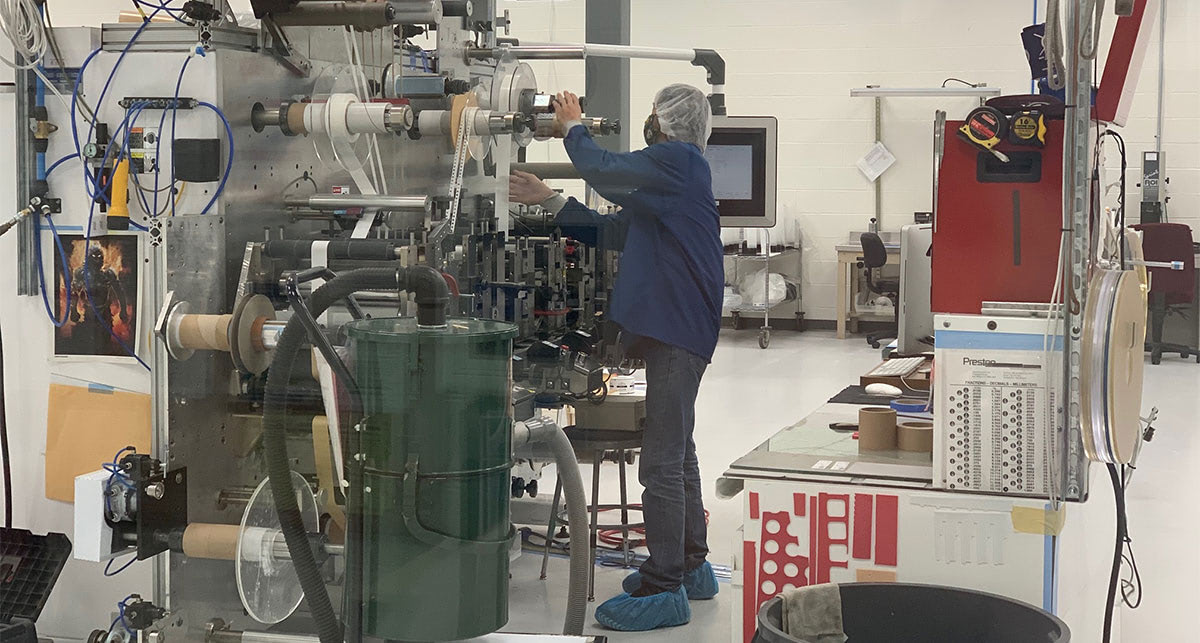
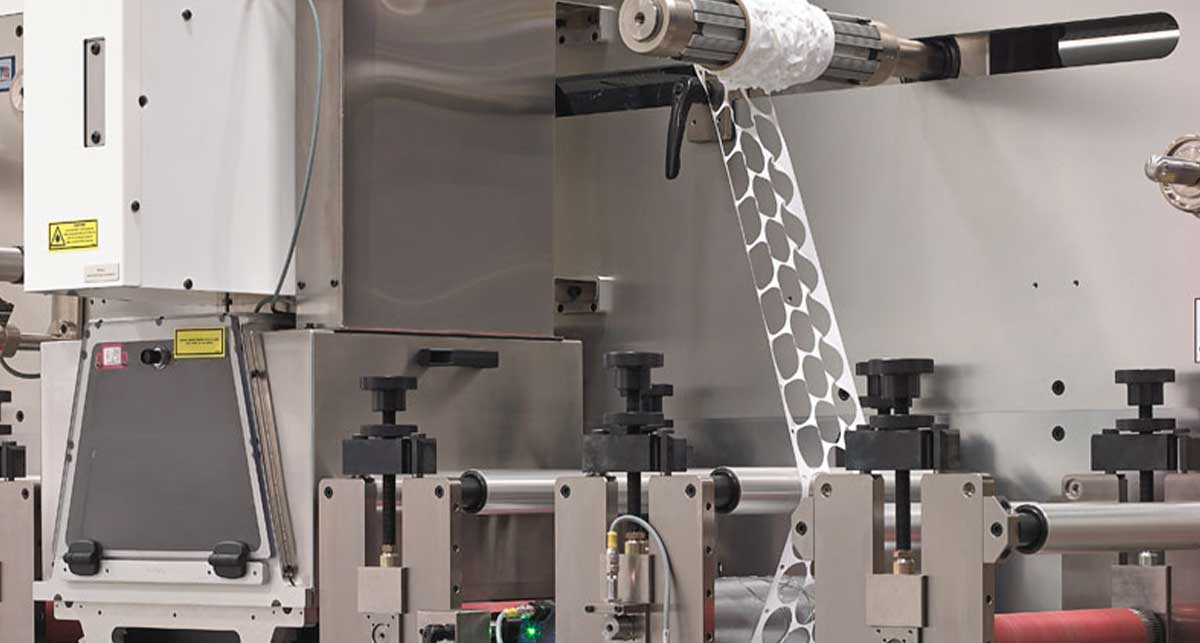

DIGITAL DIE CUTTING SERVICES
Get rapid prototypes and samples
What is Digital Die Cutting Used For?
PROS |
CONS |
| No upfront tooling cost | Not the most economical at high volumes (e.g., more than 1,000 parts) |
| Short setup time | The number and configuration of materials are limited |
| Trial run |
Production time is generally slower and more labor-intensive |
| Generally cleaner cuts, free of soot and debris |
Edge condition of cuts can be rough or coined (especially when cutting foils) |
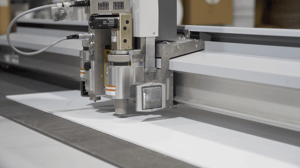
Is Digital Die Cutting Right for My Project?
Digital die cutting isn't the best choice for every project; however, it may fit your solution if it includes the following:- Making samples out of foils or thicker materials
- Part quantities under 1,000
- "Cleaner" looking parts (no soot/debris)
If any of these factors fit your project, call us, and our team will help you get started.
Q&A Guide

Flexible Material Converting
People who don’t know flexible material converting inside and out usually ask adhesive converters some similar questions:
- “What kind of flexible material can be converted?”
- “How do I choose material?”
- “Can’t I convert in-house?”
- “What makes a quality converter?”
- “How do I evaluate a converter?”
That’s why we’ve created a guide loaded with answers and insights: Flexible Material Converting Q&A. It covers the essence of converting (transforming raw materials into final products) while stressing the importance of seeing both the small details and the big picture.
“Strouse handles the difficult converting projects flawlessly. If there is an application other converters can’t solve, I know to come to Strouse. Their knowledge and expertise make the impossible projects possible.”

3M Converter Markets Rep